
Why Kilfinan Australia believes that developing a business mindset increases the success of charities, not-for-profits and communities
By Lesley Podesta, CEO, Kilfinan Australia
16 June 2026
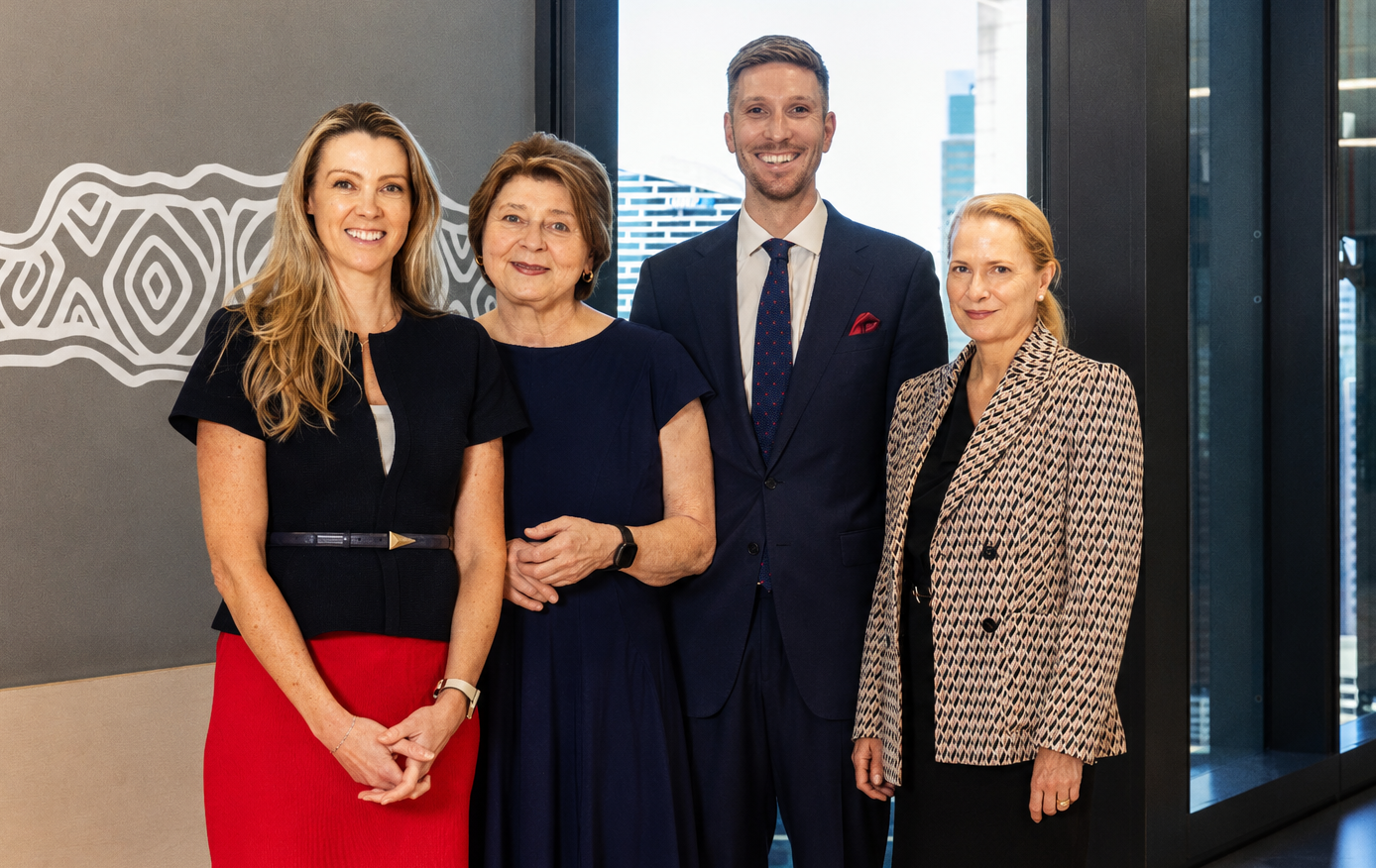
L-R Michelle Zahra, Head of Foundation – Origin Foundation; Lesley Podesta, CEO, Kilfinan; Michael Lupi, Manager Volunteering and Matched Giving – Origin Foundation; Kate Jordan, General Counsel and Executive General Manager, Risk, HSE & Governance, Origin Energy.
Kilfinan Australia matches senior corporate and public sector leaders as volunteer mentors with CEOs and leaders in the social impact sector. In our eleven years of operation, we have facilitated nearly 800 mentorships — and one of the most consistent things we hear from mentors is that the experience surprises them.
It is often not what they expected. They came in thinking they had something to offer. They quickly discover they have just as much to gain.
Business and executive leaders who engage seriously with the not-for-profit sector find things that sharpen their own practice: how to lead through values when financial incentives are absent, how to build trust with communities who have every reason to be sceptical, how to do more with less in ways that would humble most corporate operations. The not-for-profit sector and the corporate world have more to offer each other than either has traditionally acknowledged — and the leaders wise enough to recognise that come away better for it in every context they work in.
As the challenges facing communities grow more complex, the leaders making the greatest difference are those who have stopped treating these two worlds as separate and started learning deliberately across the divide.
The social impact sector is under significant pressure. Federal and state governments are rationalising funding, philanthropic dollars are chasing evidence of impact, and the cost of delivering services has risen sharply. The NFP leaders who are winning — in funding conversations, in boardrooms, and in the communities they serve — are those who can articulate their value proposition, manage their cost base, and demonstrate a sustainable operating model.
This is where mentors make an outsized difference.
The most valuable thing a mentor can help a social impact leader understand is that a business mindset is about sustainability, not profit. It means understanding your revenue mix and its vulnerabilities. It means knowing your unit costs. It means treating your board as a governance body with fiduciary responsibility, not a cheer squad. It means making strategic decisions about where to grow, where to partner, and — critically — when to walk away from funding that distorts your model.
None of that compromises an organisation’s values. It protects them.
Corporate and executive leaders have spent decades refining tools that NFP leaders can adopt directly, and the results when they do are striking. Being able to read a profit and loss statement fluently, for example, is not a finance team responsibility — it is a leadership one. Helping an NFP CEO understand where their income is concentrated, where their costs are trending, and whether their operating surplus gives them any genuine buffer can transform their confidence in every stakeholder conversation. A CEO who can interrogate a P&L commands the room differently.
Business leaders also think systematically about operations, and those disciplines translate directly into mission impact. Whether it is physical stock in a food relief programme, volunteer hours in a mentoring organisation, or bed capacity in supported accommodation, resource management follows the same logic as supply chain management in any commercial enterprise. Asking “what do we have, where is it, and are we deploying it optimally?” can free up resources that go straight back into frontline delivery.
Strategy is another area where corporate frameworks unlock real possibility. Concepts like market positioning, competitive differentiation, and pipeline development all have powerful NFP equivalents. Mentors who help social impact leaders answer questions like “what makes our model distinctive enough to deserve continued investment?” and “what does our funding pipeline look like three years out?” are helping build organisations with genuine staying power.
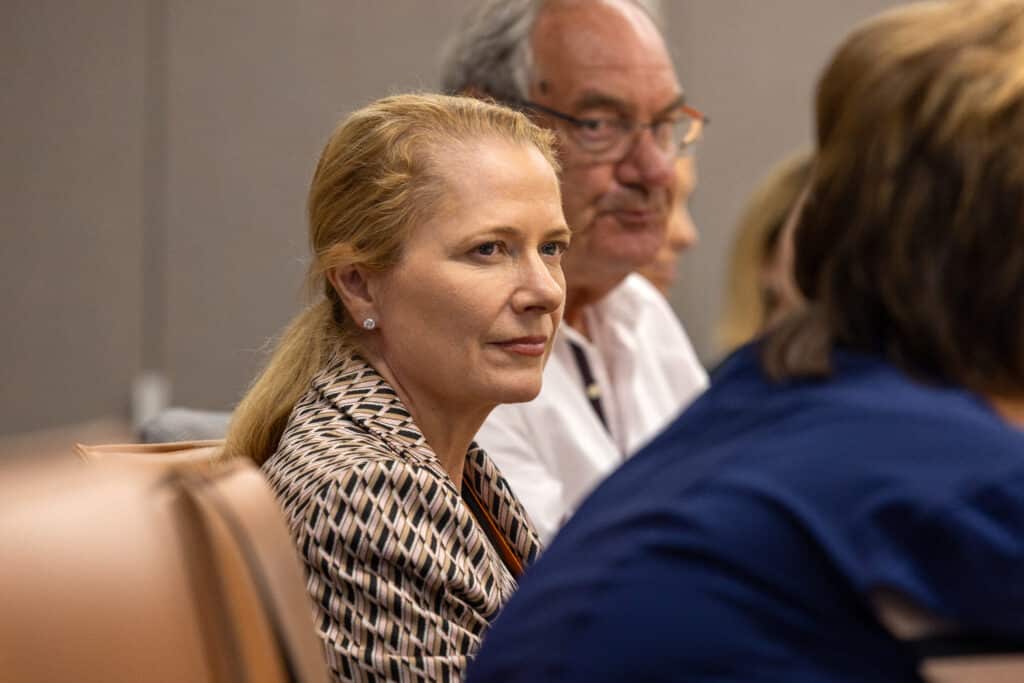
Kate Jordon
General Counsel and Executive General Manager, Risk, HSE & Governance at Origin Energy
The most effective Kilfinan mentorships are not lectures. They are honest, reciprocal conversations where a seasoned CFO asks “have you done a break-even analysis on that programme?” and a new lens opens up. They are relationships where a mentor actively shares frameworks, not just networks — and where the learning flows in both directions.
Purpose without operational discipline is just aspiration. The NFP leaders doing the most durable good are those who think like CEOs while acting like advocates — who invest in technology, data, and staff capability because they understand that a well-run organisation delivers more mission, not less of it. Mentors who bring that perspective are among the most valuable catalysts available to the sector.
Embracing a business mindset doesn’t mean changing why a leader walked through the door. It means building something worthy of that reason — and making sure it is still standing, and still growing, a decade from now. That is the work Kilfinan mentors make possible.